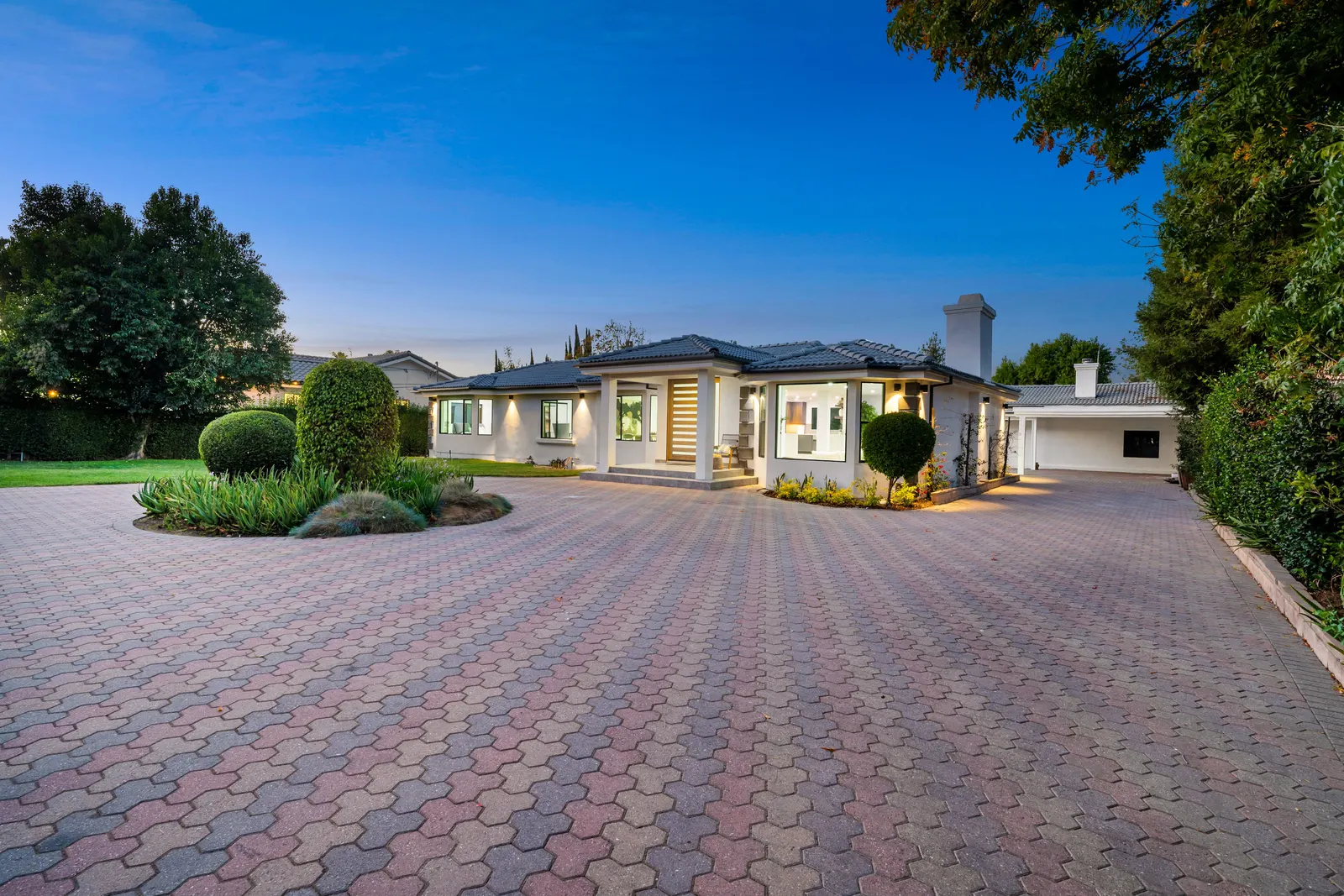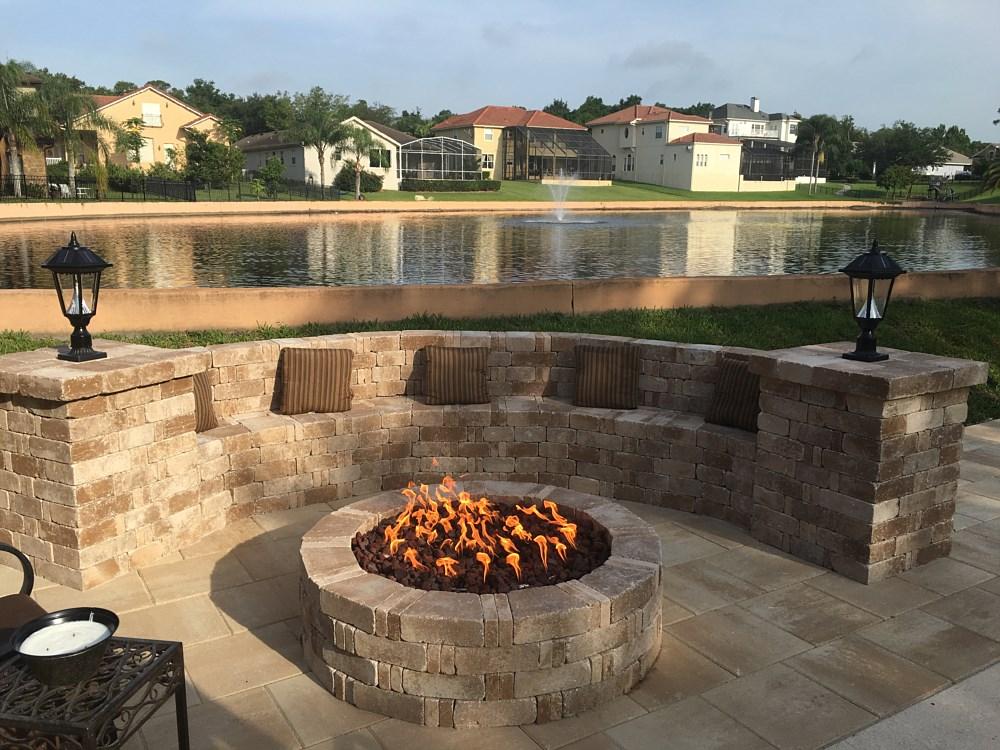
Poured concrete is cheaper on day one — and that is the last day it wins. Here is how the two surfaces compare over twenty Florida summers.
Every week someone in Orlando asks us the same fair question: why would I pay more for pavers when a concrete driveway does the same job? It is a fair question because on day one, the two surfaces do do the same job. The difference is what happens over the next twenty years of Florida sun, storms, and settling — and that difference is why we have replaced hundreds of cracked slabs with pavers and have never once been asked to do the reverse.
Florida soil is the concrete killer
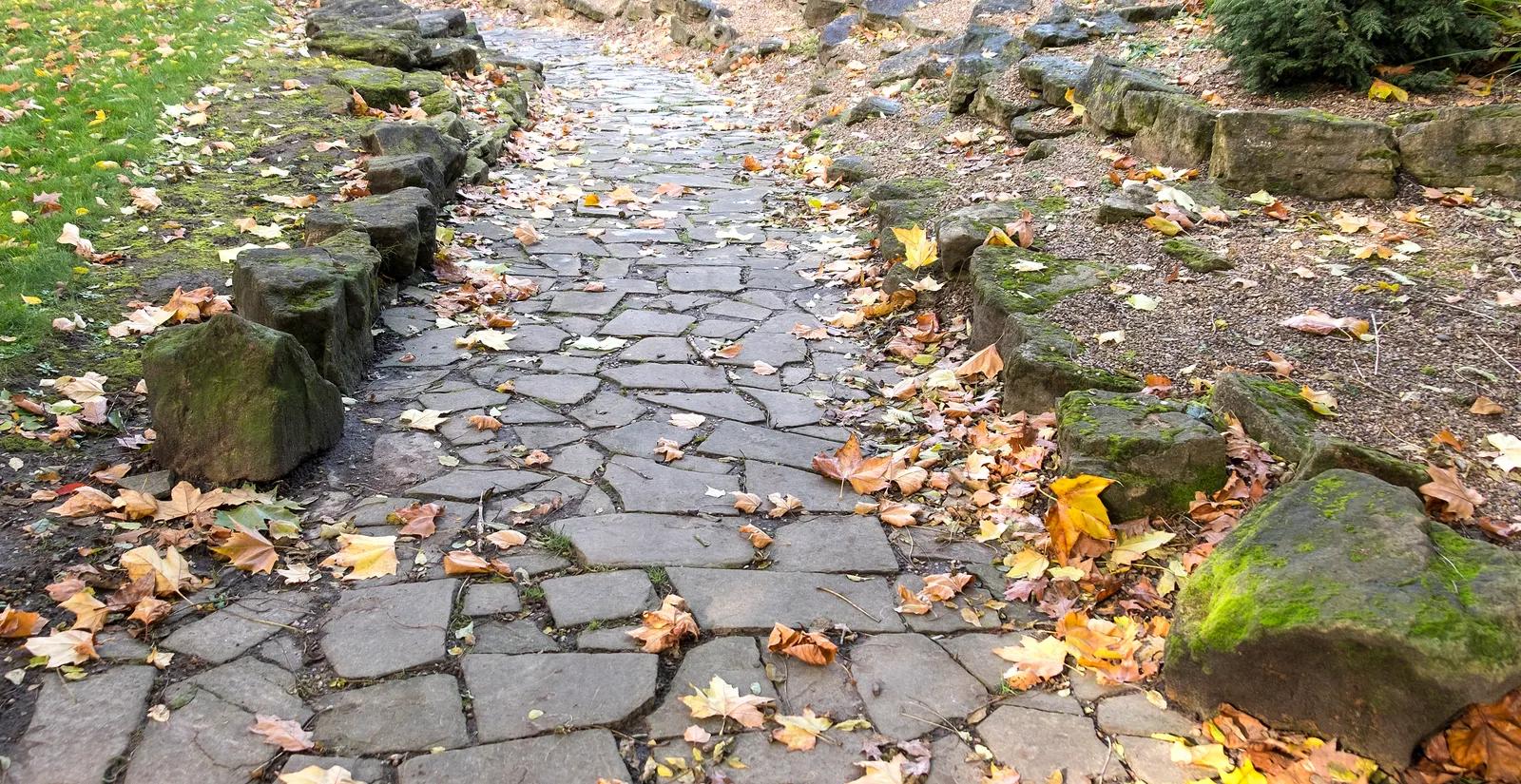
Central Florida sits on sand. Sand drains beautifully, but it also shifts — with rain, with drought, with the oak roots that run under half the driveways in Winter Park and Longwood. A poured slab is one rigid piece: when the ground under one corner moves a half inch, the slab has exactly one way to respond, and that is to crack. Control joints just decide where the crack goes. Pavers respond differently. An interlocking surface of individual stones on a compacted base flexes with the ground the way a chain-link fence rides a hill. Movement that would split a slab is invisible in a paver field.
The repair math nobody shows you
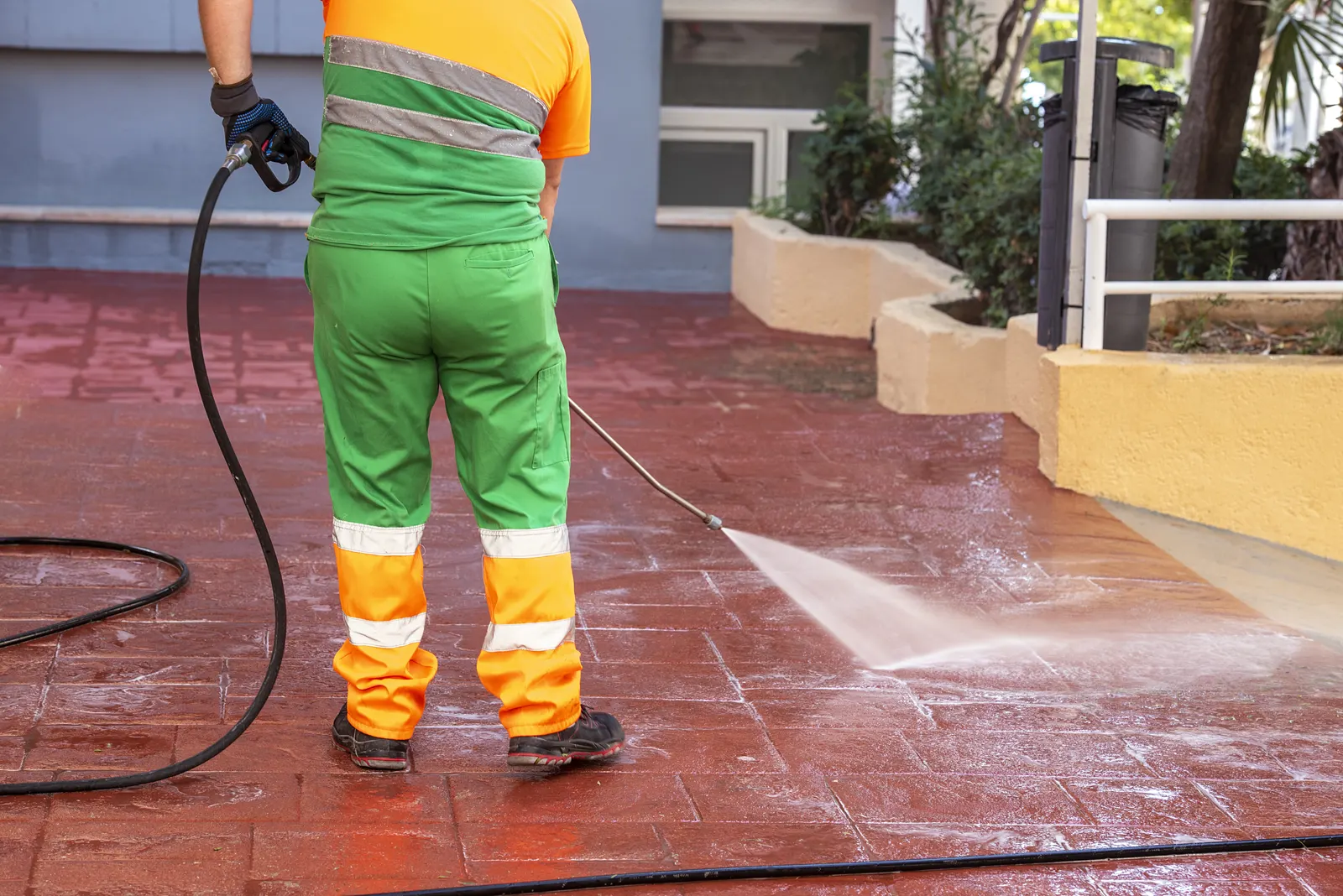
Here is where the lifetime cost flips. When a slab cracks or an oil stain sets in, your options are to live with it, patch it (the patch never matches), or demolish and re-pour panels at thousands of dollars each. When a paver stains or settles, we lift that paver and its neighbors, re-screed the sand, and set them back — or swap in matching stones from the small stash we leave every client. Twenty minutes, no scar. Over two decades, a paver driveway in Orlando typically costs less than a concrete one that has been patched twice and re-poured once.
Side by side
- Upfront cost: concrete wins — pavers run roughly 40–70% more installed.
- Cracking: concrete will; interlocking pavers structurally cannot crack the same way.
- Repairs: concrete panels are demolition; pavers are a lift-and-relay.
- Looks: concrete is gray; pavers come in dozens of colorways, shapes, and laying patterns.
- Traction and heat: textured pavers outperform troweled concrete when wet, and lighter colorways stay cooler barefoot.
- Resale: appraisers and buyers consistently read a paver drive as a premium feature.
When concrete is the right call
We will tell you honestly: if you are prepping a rental for sale next spring, or pouring a pad nobody will ever see behind a garage, concrete is fine. The math favors pavers when you plan to own the home for more than a few years, when the driveway is part of your curb appeal, or when the existing slab has already proven what Florida soil does to rigid concrete.
What we do differently
A paver driveway is only as good as what is under it. Our crews excavate, grade, and compact a crushed-rock base before a single stone is set — the part of the job you never see is the reason ours stay flat. Every driveway is edge-restrained, sanded, compacted, and warrantied from the ground up. We install across Orange, Seminole, Osceola, Lake, and Polk Counties from offices in Longwood and Haines City.
Talk to the crew
Free on-site estimate, anywhere in Orange, Seminole, Osceola, Lake, Polk Counties
FL Certified Pool/Spa Contractor · CPC1458737